How It Works – QR Codes
Bilkul Bazaar Weekly Special
How QR Codes Work



The QR (Quick Response) Code was invented in 1994 by Masahiro Hara, a Japanese engineer working at Denso Wave, a subsidiary of the Toyota Group.
From making digital payments to opening restaurant menus, QR codes have become a part of everyday life. But how do these tiny black-and-white squares work?
How It Works
- Information is Stored
A QR (Quick Response) code stores information such as a website link, payment details, contact information or text in a unique square pattern. - Your Phone Scans the Code
When you point your smartphone camera at the QR code, it captures the pattern instantly. - The Pattern is Decoded
Your phone’s software reads the arrangement of the black and white squares and converts them into digital information. - The Action Happens
Depending on the stored data, your phone opens a website, launches a payment app, connects to Wi-Fi, or displays information. - Done in Seconds
The entire process—from scanning to opening the content—usually takes less than a second.
Did You Know?
- QR codes were invented in 1994 by the Japanese company Denso Wave.
- They can store thousands of characters, far more than a traditional barcode.
- Even if part of a QR code is damaged, it can often still be scanned thanks to built-in error correction.
QR Codes: What They Are and How We Use Them Every Day

What is a QR Code?
QR stands for Quick Response. It is a two-dimensional barcode made up of tiny black-and-white squares that can store information such as website links, payment details, contact information, Wi-Fi passwords, tickets, and more.
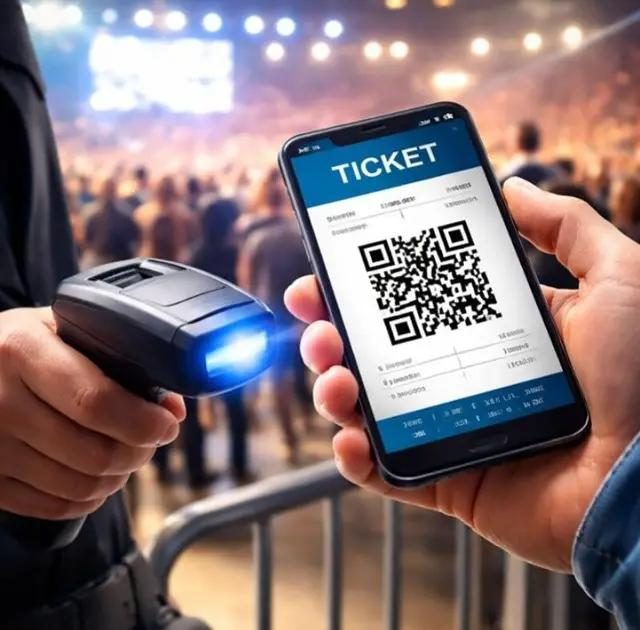
Unlike traditional barcodes, QR codes can hold much more data and can be scanned instantly using a smartphone camera.
Fun Fact
More than billions of QR code scans take place worldwide every month—for payments, tickets, shopping, and much more!