
THE BUSINESS BEHIND…
The Business behind a ₹20 Cup of Tea
What really goes into the price you pay?
Bilkul Bazaar | Sunday Special
It costs only ₹20. But how much of that actually goes into making the tea?
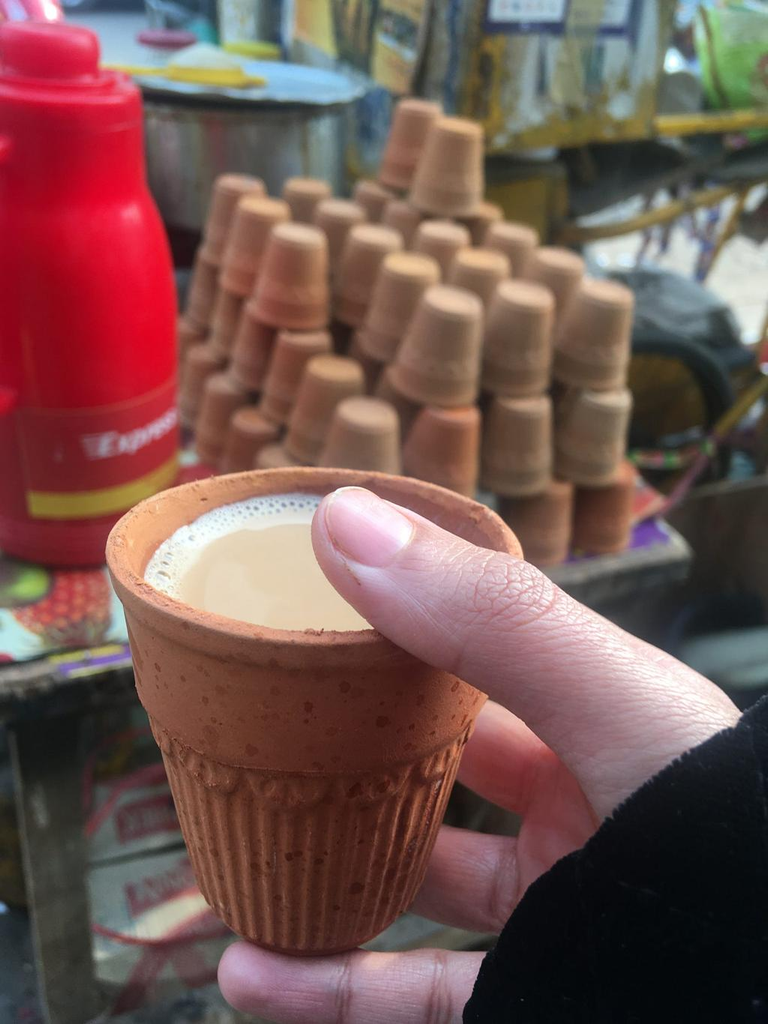
A ₹20 cup of tea looks like one of the simplest purchases you can make.
You hand over a ₹20 note—or scan a QR code—and within minutes you have a steaming cup of chai.
But behind that ₹20 is a surprisingly interesting little business.
Someone has to buy the tea leaves, milk, sugar, gas, cups and water. Someone has to pay rent or occupy the space. Someone has to make the tea, serve it, clean the utensils and deal with wastage.
And after paying for all of that, the tea seller still needs to make a profit.
So where does your ₹20 actually go?
Let’s break down the ₹20
The exact numbers vary enormously depending on the city, shop, rent, volume and quality of ingredients. But a simple illustrative calculation could look like this:
| Expense | Approx. share of ₹20 |
|---|---|
| Milk | ₹4–5 |
| Tea leaves | ₹1–1.50 |
| Sugar | ₹0.75–1 |
| Gas/electricity & water | ₹0.75–1 |
| Cup, washing & consumables | ₹0.50–1 |
| Rent | ₹1–2 |
| Labour | ₹2–3 |
| Wastage & other expenses | ₹0.50–1 |
| Possible operating surplus | Balance |
These aren’t universal costs—they’re illustrative, because the economics of a roadside stall and a premium café can be completely different.
And that’s where the story gets interesting.
The secret is volume
A tea seller doesn’t necessarily make a large amount of money from one cup.
The business works because of hundreds of cups.
Suppose a stall sells 300 cups a day at ₹20.
That’s:
300 × ₹20 = ₹6,000 daily sales
Over 30 days:
₹6,000 × 30 = ₹1.8 lakh in monthly sales
But remember:
Sales ≠ Profit.
The seller still has to pay for milk, tea, sugar, gas, labour, rent, supplies, wastage and other expenses.
This is where one of the most important business lessons appears:
A low-priced product can still become a good business if it sells in high volume.
Why milk matters so much
Tea is a fascinating business because one of its biggest ingredients is also one of its most price-sensitive.
If milk prices rise, the seller has several choices:
Increase the price → reduce the quantity → change the milk-to-water ratio → accept lower margins.
And customers may notice immediately.
The same applies to sugar, tea leaves and cooking fuel.
A tiny increase in the cost of an ingredient may look insignificant to a customer.
But multiply that increase by 300, 500 or 1,000 cups a day, and it becomes a serious business expense.
Location can change everything
A ₹20 tea stall near a railway station, factory, college or busy office area may have completely different economics from one in a quiet residential lane.
Why?
Because footfall drives volume.
A stall in a high-traffic location may sell hundreds of cups every day.
A stall with beautiful interiors but very few customers has a completely different problem.
This is why, in food and beverage businesses, location is often as important as the product itself.
And then comes the ₹20 psychological barrier
Price matters enormously in everyday consumption.
₹20 feels like an easy purchase.
A customer may think twice about spending ₹200 on something unnecessary—but may buy tea almost automatically at ₹20.
That creates a powerful business model:
Low ticket size + frequent purchase + high volume = potentially strong business.
The same principle can be seen in snacks, street food, bottled water, newspapers and many other everyday products.
What if the tea becomes ₹25?
This is where pricing becomes a business decision.
Suppose the seller increases the price from ₹20 to ₹25.
Revenue per cup rises by 25%.
But will customers continue buying the same number of cups?
If sales fall sharply, the higher price may not actually improve the business.
The seller therefore has to balance:
Price × Volume × Cost = Profit
That’s a very simple way of looking at the economics of a small business.
The bigger lesson
The humble ₹20 cup of tea teaches us something that applies to businesses of every size.
A company doesn’t become successful simply because it sells something.
It needs to understand:
- Cost
- Price
- Volume
- Margins
- Location
- Customer behaviour
- Wastage
- Operating expenses
- Cash flow
Whether you’re selling a ₹20 cup of chai or a ₹20,000 smartphone, the fundamental business question remains the same:
After everything is paid for, how much is left?
And that is the real business behind your ₹20 cup of tea.